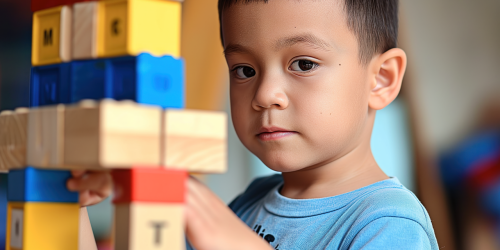
Social Interaction in Vygotsky’s Theory: How Learning Happens Through Others

Vygotsky’s most revolutionary claim was that all higher mental functions begin as social interactions before becoming individual capabilities. Unlike theories emphasizing solitary exploration, Vygotsky demonstrated that cognitive development is fundamentally social—children learn to think by first thinking with others. This process, moving from interpsychological (between people) to intrapsychological (within the person), explains how language, problem-solving, and memory develop through guided...

Vygotsky vs Piaget: 5 Key Differences in Cognitive Development

Both Piaget and Vygotsky revolutionized developmental psychology by rejecting behaviorism and emphasizing that children actively construct knowledge rather than passively absorbing it. However, their theories diverged on fundamental questions: Does development follow universal stages or vary by culture? Is learning an individual or social process? Does language shape thought or merely express it? The Vygotsky vs Piaget differences created two...

Havighurst vs Erikson: Developmental Tasks vs Psychosocial Stages

Two towering figures in developmental psychology—Robert Havighurst and Erik Erikson—offered different yet complementary frameworks for understanding how humans develop across the lifespan. Havighurst emphasized specific tasks we must accomplish at each life stage, while Erikson focused on internal psychological crises that shape identity. Comparing these theories reveals not just two perspectives on development, but two fundamentally different ways of conceptualizing...